
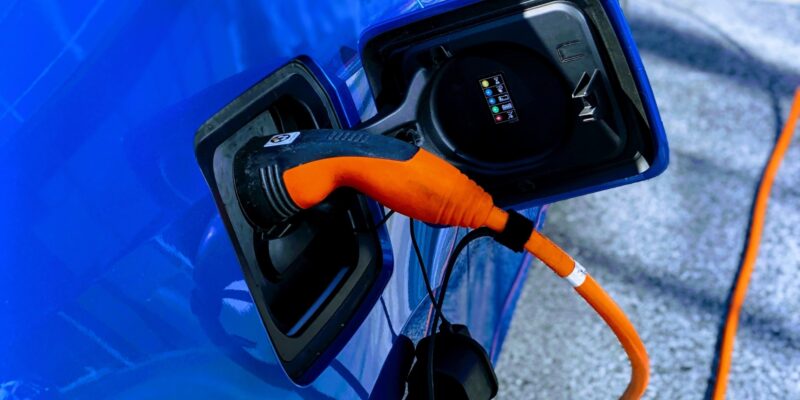
Thinking about buying a hybrid or electric car but still not sure? We’ve put together eight reasons why you should own an electric-powered car. Plus we look at the most frequently asked questions around costs, tax incentives, and battery life. Plug-in and enjoy!
Here are 8 Reasons to Invest in an Electric or Hybrid

1. Reduced Fuel Costs
Hybrid and electric cars use much less or even no petrol or diesel fuel at all, cutting your running costs. In terms of electric cars a full charge from empty to full could cost less than a pound for the electricity. It is certainly unlikely to cost more than £3.40 per full charge, which will give you 100 miles range. This is less than the cost of the same journey in a petrol or diesel car.
2. Fewer Emissions (and Lower Road Tax)
The slow slip rates of hybrid and electric cards reduce the number of greenhouse gases they produce. This is particularly useful in urban areas where gridlocked traffic can create smog as a result of the build-up of atmospheric pollutants. Lower emissions also mean lower road tax (vehicle excise duty) and exemption from the London Congestion Charge.
3. Instant Torque
Electric motors deliver their maximum torque rating instantaneously. This means no waiting time for the motor to spool, a characteristic that allows the hybrid car to match the performance of normal cars.
4. No Idling
No more burning fuel to sit still in traffic with the engine idling. Hybrid and electric cars automatically switch off the engine when you are sitting in traffic or at a red light. They use the power from the battery to keep your radio and air conditioning on.
5. Tax Incentives
It’s true that the expensive technologies in hybrid cars mean they do cost more to buy than a normal car. But this extra cost is mitigated by government tax incentives to encourage people to buy more environmentally friendly cars.

6. Develop Better Driving Habits
Most hybrid and electric cars come with at least a basic ‘driving tutor’ system, which helps you to drive in a more fuel economical way. It shows you how to avoid things like high revs and encourages gradual breaking. This system helps you to adopt good driving habits.
7. Choice of Car Brands
The increasing popularity of electric-powered vehicles means there is now a wide range of brands that offer electric and hybrid cars. This means everyone can find something to suit their taste and budget.
8. High Resale Value
These cars are highly technical and a modern phenomenon, so it comes as no surprise then that if you want to sell on your hybrid car after a few years, the depreciation is less than a petrol or diesel car.
FAQs for Electric and Hybrid Cars
Want to find out even more? Here are the answers to the most frequently asked questions about hybrid and electric cars, to dispel some of the myths out there.
What types of hybrid cars are out there and what are the basic differences between them?
There are two types of hybrid cars. The first is a regular hybrid car with a petrol engine and a battery that is recharged by the car itself. Any excess power produced by the engine, such as when it idles or brakes, is used to charge the battery for later use.
The second type of hybrid is a plug-in hybrid. These cars have larger batteries than can be charged by the car itself as well as an external source of electricity.
People say hybrid and electric cars are actually more expensive than normal cars, is this true?
It is true that initially, a hybrid car is going to cost you more than their petrol or diesel-powered counterparts. However, others contest that the money you save over time on petrol eventually outweighs the higher initial cost, something called ‘payback’.
The length of time it takes to earn your ‘payback’ depends on a number of variables. These include whether the car is a regular hybrid or plug-in variant, the initial price of the car (which is coming down all the time) and how much you use the car.
Above all, you need to be realistic about how long you are going to have the car for and how long you are willing to wait before you start noticing spending less on fuel.
Two big advantages of hybrid cars that are often overlooked are that they depreciate in value slower than regular cars. And the hybrid parts have longer warranties too.
In terms of how cost-effective my hybrid car will be for me, what are the main factors I need to consider?
Your personal daily commute should be a big factor to consider. Hybrids that travel through towns and villages and experience stop-start driving in traffic will get better mileage than standard cars.
This is because at lower speeds, usually up to 40 miles an hour, full hybrid cars can run only on their electric motor, so they don’t burn any petrol. Equally, hybrid cars switch the engines off when they’re stationary at red lights, known as stop-start technology.
However, people who typically travel on motorways or A roads at higher speeds will not experience the same high MPG (miles per gallon) as their city-living counterparts. For these types of journeys, where you could use cruise control, for example, modern diesel and petrol cars are similarly economical.

What do I need to think about if I want an electric car?
If you care about speed you might want to take into account that electric cars in general are not as fast as normal cars, but they are closing in on that gap gradually.
If ease and convenience are your priorities, then electric cars are a dream to drive and simple for anyone to use. But it is essential to evaluate what kind of area you live in and consider where your local charging points are located. They need to be relatively close to your home and possibly along your commute to work. Equally, think about the set up you have at home or in your garage where you will be charging your car.
If your main concern is environmental then an electric car is certainly better than a hybrid. Many people forget that hybrid cars still rely on the petrol and diesel that standard drivers use, maintaining the demand for oil, though they do use less of it.
What should I know about the battery?
Essentially when you buy an electric or hybrid car you rent the battery separate to the car, and every five years you are given the opportunity to change the battery.
Some people think these batteries need replacing all the time, but this is not the case. The only way in which the batteries can be prematurely worn out is if they are not charged correctly.
Because of this, when you buy the car you need to make yourself aware of the manufacturer’s policies and best practice guidelines. Speak to your retailer to make sure you know how to charge the battery properly.
What are the government’s financial incentives for buying hybrid or electric cars, and how do you apply for them?
The government offers grants towards the cost of plug-in hybrid or electric cars to encourage more people to buy them. The www.gov.uk website provides full comprehensive information on this, but here is a quick summary.
a. The grant:
You can get a grant towards the cost of a new electric car, though conditions apply. Up to a maximum of either £3,500 depending on the model.
The ‘cost’ is the full purchase price you pay for the vehicle. This includes number plates, vehicle excise duty and VAT. But it doesn’t include any delivery charges, the first registration fee or optional extras. You also don't need to do anything when purchasing the dealership handles everything and includes the grant in the price.
b. Eligibility:
There are 4 categories of eligible vehicles, sorted by their emission levels. The grant you get depends on the category, which is explained in full on the government’s website here.
c. How to claim:
The amount of your grant will be automatically deducted from the price of your plug-in car when you buy it. There are no forms to fill in – the dealership will handle the paperwork. But you may be asked to complete a short questionnaire.
Where do I go for more information?
Our network of car retailers across the UK can offer further advice and information on the hybrid and electric models available within their ranges. Find your nearest dealership here.
Related articles

Electric Car Technology Innovations
With the EV market growing rapidly, we’ve selected some of the key supporting innovations that will impact electric motoring in future years to come.
Read more...
Towing a Trailer or Caravan
Whether or not you can legally tow a caravan or trailer on UK roads will depend on the type of driving licence you hold. If you do have entitlement to...
Read more...
What’s the difference between hybrid and electric cars?
Electric or hybrid cars - what's the difference? Is one cheaper than the other? Is one more eco-friendly? Read on for a summary of hybrid vs electric cars.
Read more...